The first thing you should know about e-bikes is that they’re here to stay. Electric bike sales grew an incredible 91% between 2016-2017, according to market research firm NPD Group. It’s a $77 million industry with no sign of slowing down. Last year, e-bike sales even surpassed traditional bike sales in the Netherlands.
Some see the rise of e-bikes as a threat to traditional cycling. But don’t worry—e-bikes aren’t here to change our active lifestyle. In fact, they can enhance it. As we head into peak cycling season, here’s everything you need to know about the electric revolution.
1. E-bikes make pedaling easier
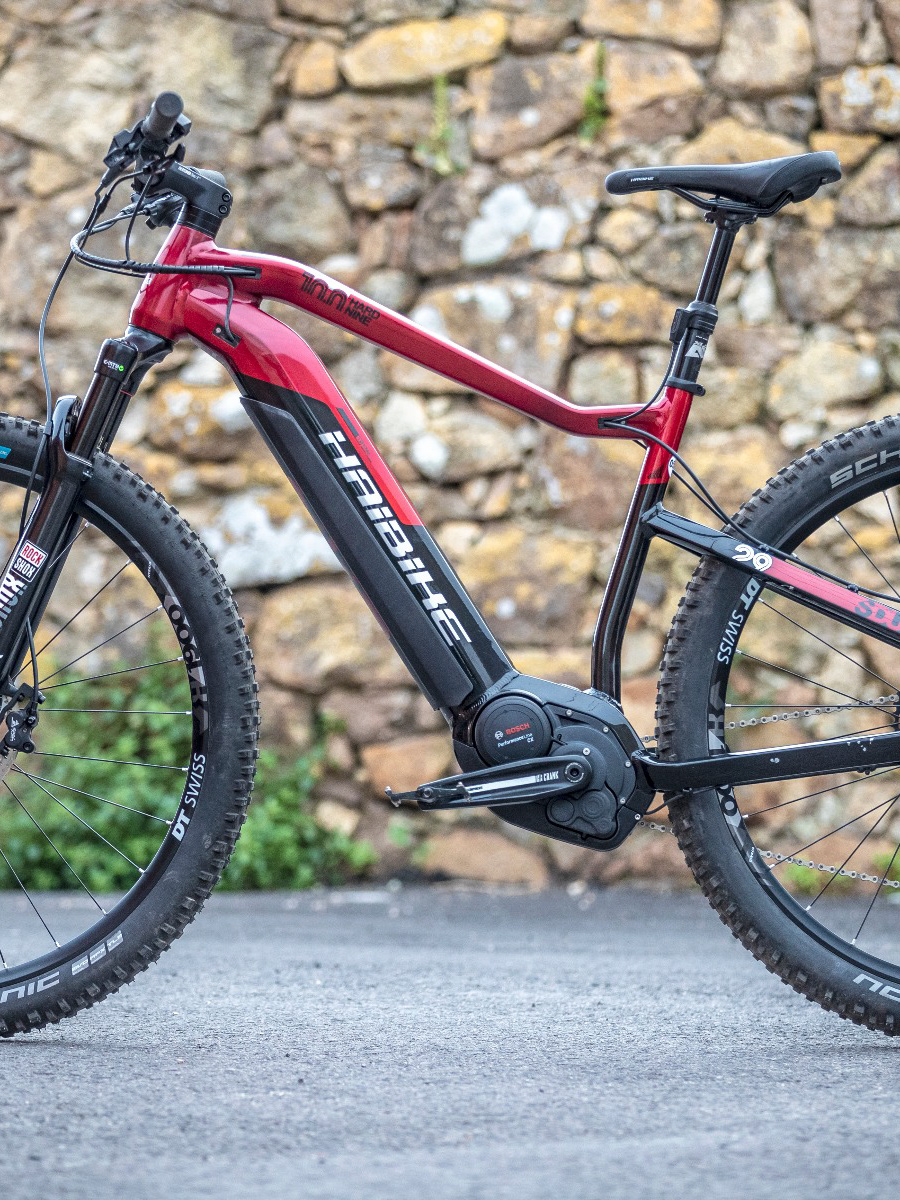
E-bikes use battery power to assist pedaling. On a pedal-assist bike, a small motor responds to pedaling and provides a boost, making longer rides easier and more fun. Known as pedelecs, your speed is still controlled with your legs like a regular bike, but you feel stronger and accelerate more easily.
Some e-bikes have a throttle to operate the motor directly. These bikes provide a different experience from traditional cycling. Experts note that new riders often start with a throttle bike but eventually switch to a pedelec for their next purchase.
2. They can go fast… to a limit
E-bikes have power and speed sensors: the harder and faster you pedal, the more assistance you get—up to a point.
They allow higher speeds but are not motorcycles. Motor assistance typically caps at 25–45 km/h depending on the e-bike type. You save time but can still enjoy the scenery.
They allow higher speeds but are not motorcycles. Motor assistance typically caps at 25–45 km/h depending on the e-bike type. You save time but can still enjoy the scenery.
Most e-bikes let you adjust pedal-assist levels, from “eco” (low) to “turbo” (high), helping on steep climbs or long rides while managing battery use.
3. Longer distances with less fatigue
E-bikes encourage more frequent cycling. A survey of nearly 1,800 North American e-bike owners found that 55% rode daily or weekly before buying; after buying, that number jumped to 91%.
Even fit cyclists get tired; e-bikes let you keep going without overexerting. Higher speeds make longer rides more appealing.
Even fit cyclists get tired; e-bikes let you keep going without overexerting. Higher speeds make longer rides more appealing.
Non-cyclists also benefit: 20–30 km rides become easy, boosting endurance and confidence. 94% of non-cyclists started riding daily or weekly after getting an e-bike.
4. There’s an e-bike for everyone
For every cycling discipline, there’s an e-bike. From cargo bikes that carry 400 kg at 15 km/h to fatbikes, road bikes, hardtail or full suspension, for kids or pros—there’s a bike for every rider preference.
5. They can replace car trips
Studies show people buy e-bikes to reduce car use. 28% reported buying an e-bike specifically to replace car trips. Other reasons include transporting cargo or kids, avoiding parking/traffic, environmental concerns, and simply getting out from behind the wheel.
Over half of car trips are under 15 km; the average is 9.5 km—perfectly manageable on an e-bike. E-bike owners replace 46% of their commuting by car and 30% of total car trips. All you need is a good bag for your things.
6. You still get exercise
E-bikes do part of the work but still count as physical activity, especially for previously sedentary people. Research at the University of Colorado found that 20 inactive adults riding 40 minutes, three times a week, improved cardiovascular health and blood sugar in a month.
Even fit riders burn calories: e-bike commuting reduces effort but still burns ~200 calories/hour, roughly equivalent to walking.
7. Batteries are improving
E-bike batteries last 50–200 km per charge, depending on size and motor power usage. “Turbo” mode drains faster; eco mode conserves battery. Battery technology continues to improve.
8. Trail access can be debated
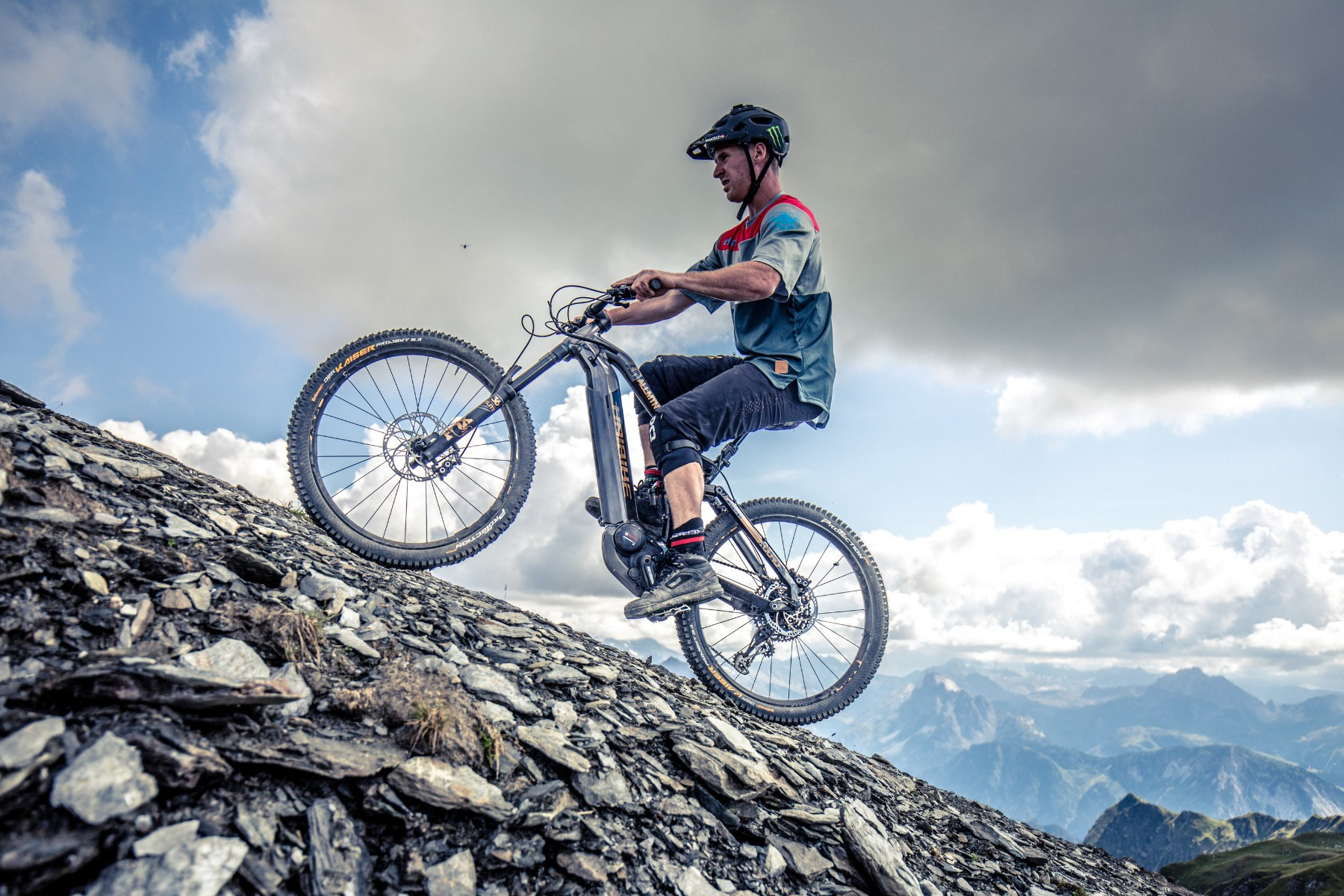
E-bikes remain controversial in mountain biking. Many singletracks currently ban motorized bikes in the U.S. and parts of Western Europe.
IMBA now supports pedal-assist e-bikes (up to 20 km/h) on some trails. As e-mountain bikes become common, wider trail access is expected. Studies show e-mountain bikes don’t damage trails more than regular mountain bikes.
IMBA now supports pedal-assist e-bikes (up to 20 km/h) on some trails. As e-mountain bikes become common, wider trail access is expected. Studies show e-mountain bikes don’t damage trails more than regular mountain bikes.
9. E-bikes aren’t cheap—but can save money
E-bikes cost more upfront—expect €1,500+ for a decent e-bike, €2,500–5,500 for premium models with Bosch, Shimano, or Yamaha motors.
But using your car less saves on fuel and maintenance, plus health benefits and potentially fewer medications.
But using your car less saves on fuel and maintenance, plus health benefits and potentially fewer medications.
10. They’re sturdy
E-bikes weigh more due to battery, motor, and reinforced frame. Modern geometry and engineering handle the weight well, and motor assistance makes pedaling feel effortless. Transporting an e-bike may require more effort; specialized racks exist for e-bikes.
11. They are the future of transportation
All major and many smaller bike manufacturers offer e-bikes. Auto companies like Ford and GM are investing in e-bike programs. Urban areas with high population density benefit from replacing car trips with e-bikes.
12. Racing exists for e-bikes
In Europe, the UCI and other organizations now host e-bike competitions, including road and mountain events. There are even world championships for off-road e-bikers, complete with rainbow jerseys for the winners.
13. Impossible not to smile
E-bike testers—traditional cycling fans included—loved the pedal-assist experience, calling e-bikes “Wheee!”
We leave you with a short clip from the Bucegi Mountains on e-bikes—perhaps it will inspire you to join next time.