Many of us don’t have a single ideal bike, but two or three. Some have already found it, and for those still searching, we tried to put together this article.
There are many factors that define the ideal bike (size, design, equipment, etc.), but it all starts with understanding what a bike is, and only after that can we look for the ideal one.
We mention that the information below is not fully comprehensive, as that would take too long. It is meant to help our customers find a starting point on what could be a longer search journey.
Here are the main categories of bikes:
Mountain Bike
Thanks to mountain biking, our passion for bicycles was born.
“Live to ride. Ride to live.” Mountain bikes are designed and built to be a reliable partner that takes you out of urban chaos and comfortably and efficiently into nature. Born in the 1980s, their evolution involved countless new technologies, bringing today’s MTB to the most diverse category of bikes, continuously evolving.
Thanks to mountain biking, our passion for bicycles was born.
“Live to ride. Ride to live.” Mountain bikes are designed and built to be a reliable partner that takes you out of urban chaos and comfortably and efficiently into nature. Born in the 1980s, their evolution involved countless new technologies, bringing today’s MTB to the most diverse category of bikes, continuously evolving.
Some key features: wide tires, reinforced fork and frame, oversized suspension and brakes. Mountain biking is divided into several subcategories:
Cross-Country (XC) – The most popular MTB type. Offers a rigid frame (hardtail) or full suspension with a mechanical or pneumatic fork of medium travel. Popular bikes have aluminum or carbon frames for a semi-bent, sporty position. Fork with spring or pneumatic shock of 80–120 mm, 3x2x1 chainrings, 8–12 cogs, 26”, 27.5” or 29” wheels with wide, grippy tires, and disc brakes. Designed for tackling difficult terrain and climbs, ideal for active and sporty riders crossing mountains. Weight: 8–14 kg.
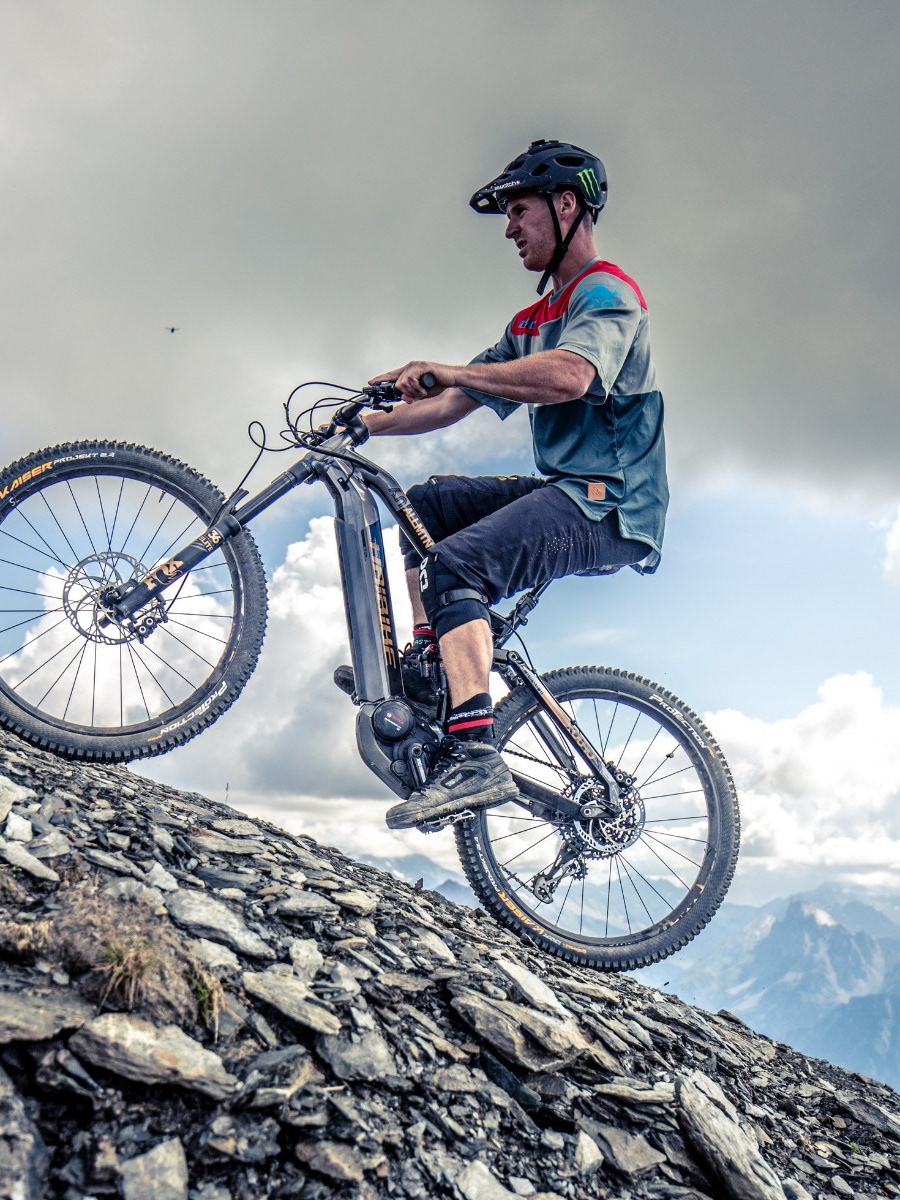
Enduro – One of the most sought-after MTB categories worldwide. Enduro geometry favors descents compared to trail or XC. Rear suspension frames, mostly lockable for climbing. Aluminum or carbon frame, front pneumatic suspension 140–160 mm, similar rear travel, strong hydraulic disc brakes, multiple gears. Higher rider position for lower center of gravity and stability. Fork angle optimized for safe descents on rough terrain.
Trail – The most popular MTB category for off-road enthusiasts. Combines XC and Enduro features, front and rear suspension 120–140 mm. Frame geometry optimized for descents, stronger brakes. Ideal for moderately rough terrain. Weight: 12–15 kg.
Freeride – Modern freeride bikes mix hard enduro and downhill features. Lighter and more controllable in the air, focused on fun rather than speed. Suspension 160–180 mm, very strong aluminum frame, strong brakes. Intended for very difficult trails with jumps and harsh landings. Weight: 16–18 kg.
Downhill – The essence of MTB. Pioneers modified bikes to be safer and more fun on descents. F1 of mountain biking, where every millisecond counts in competition. Front fork with large 200 mm shock. Only designed for steep, fast descents; inefficient for flat terrain or climbs. Weight: 16–22 kg.
Dirt Jump – Smaller stature bikes, recognizable by long, low frames and very low saddle, no rear suspension, rigid or short-travel fork (80–100 mm), small 24–26” wheels, lightweight (<12 kg). Designed for jumps, tricks, and short courses. Street and slopestyle bikes fall here as well, with slight differences in geometry.
Fat Bike – Oversized tires (usually 3.7”+) and rims (44 mm+), designed for snow, sand, or unstable terrain. Perfect for winter forest trails, Alaskan races, and desert or mud routes.
Road Bikes – Designed for long distances, lightweight, aerodynamic, and efficient on asphalt. Curved handlebars and lightweight components make them ideal for road cycling.
Cyclocross – Combines strength for rough terrain with road speed. Frames resemble road bikes but with more clearance for wider tires and mud. Large 28” wheels with sturdy rims, rigid fork. Often seen in competitions.
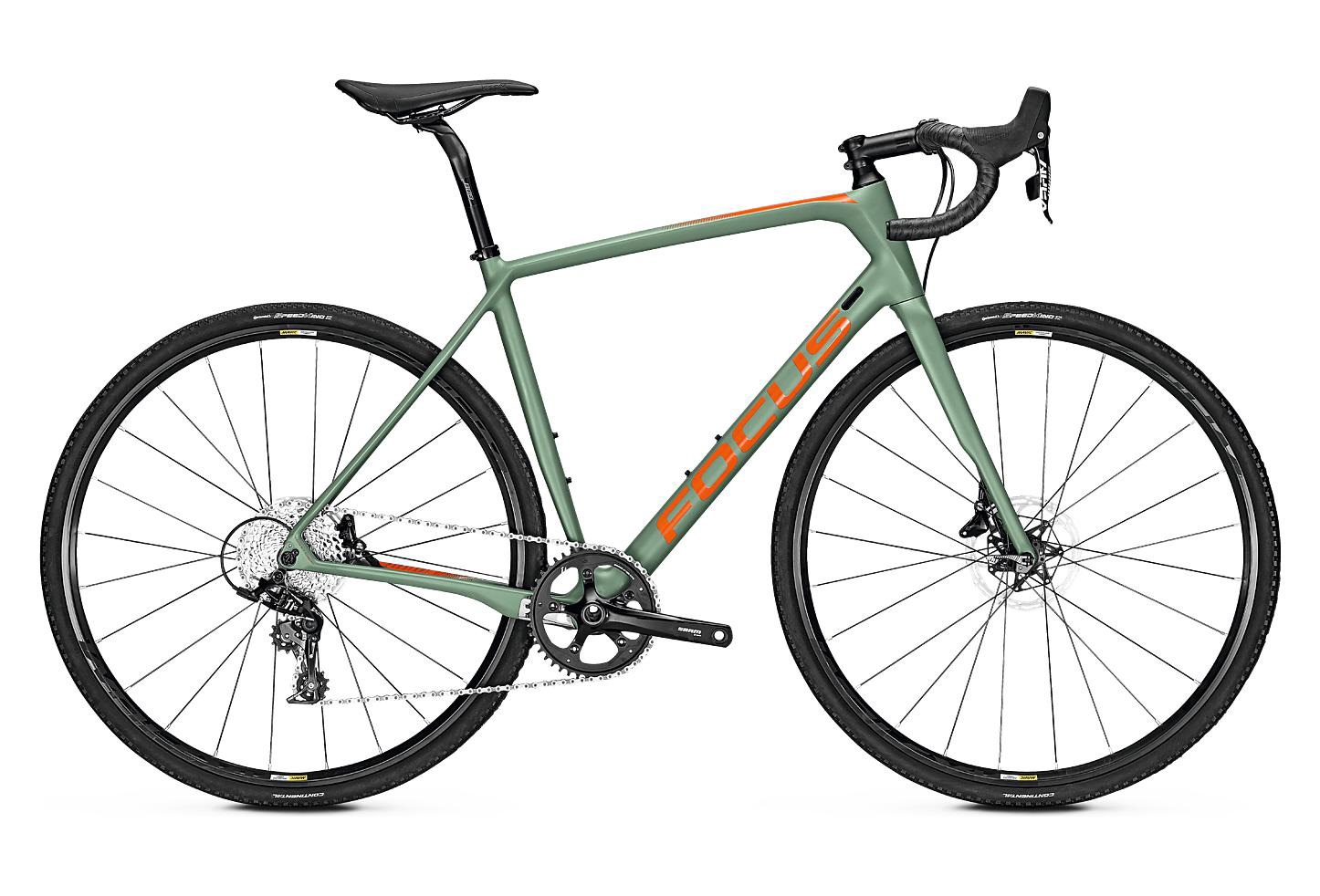
Gravel Bike – Essentially a road bike with drop bars, space for wide tires (35 mm+), taller headtube for relaxed riding position. Similar geometry to endurance road bikes for long, comfortable rides with mixed surfaces.
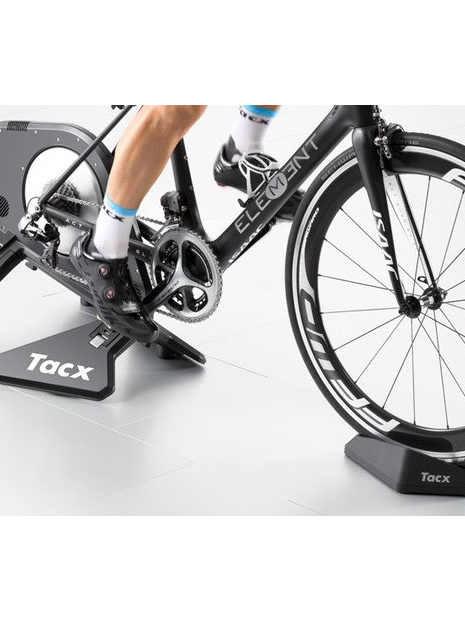
Triathlon – Aerodynamic design. Frame and components cut through air efficiently. Aggressive angles, low handlebars (Aerobar), high rims for speed. Rider’s elbows placed on Aerobar for optimal control of shifters and brakes.
Cross / Hybrid – Great for long national road rides or forest trails. Telescopic fork absorbs vibrations. Slightly wider handlebar for stability. Accepts racks and mudguards. More comfortable climbing, stable descending.
Fitness Bikes – Similar to road bikes but with flat handlebars. Same brake calipers and narrow tires. Designed for those who like speed, train a lot, or want a new riding style.
Trekking – Hybrid bikes for daily commuting and long distances. Comfortable, upright riding position, suited for urban and suburban roads. Features: large 28” wheels, mudguards, suspension fork, rear rack, seatpost suspension. Most popular for cycle touring.
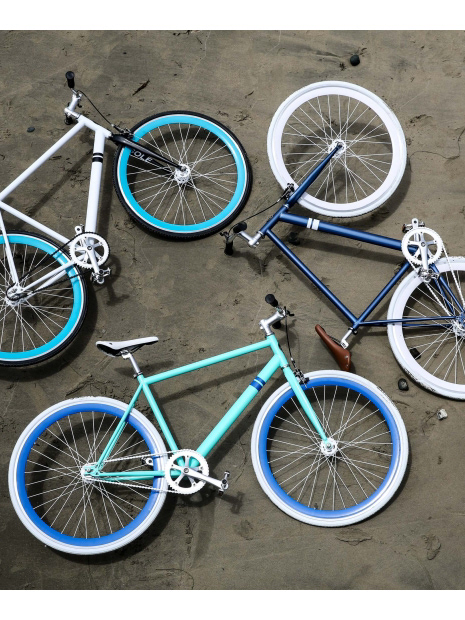
Fixie – Fixed-gear bikes. Rear wheel has one fixed cog and one freewheel. Braking via backpedal. Lightweight, economical, simple to maintain — true workhorses.
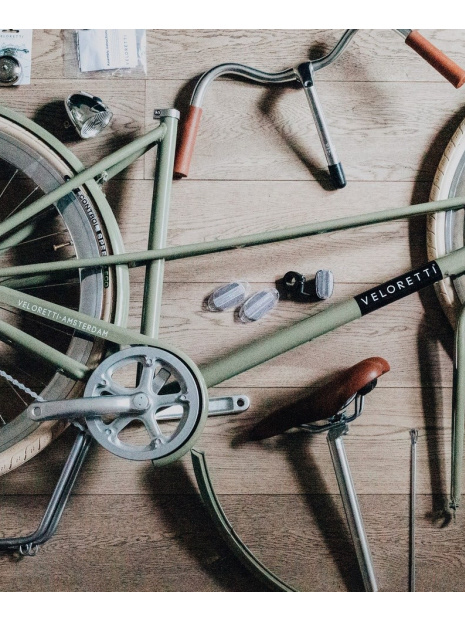
City Bikes – Upright, comfortable, equipped with fenders, kickstand, and lights. Touring and trekking bikes may include front/rear racks for carrying luggage. Vintage city bikes maintain classic designs.
BMX – Ideal for tricks and stunts. Small wheels, steel or aluminum frame. Some have suspension; many variations exist.
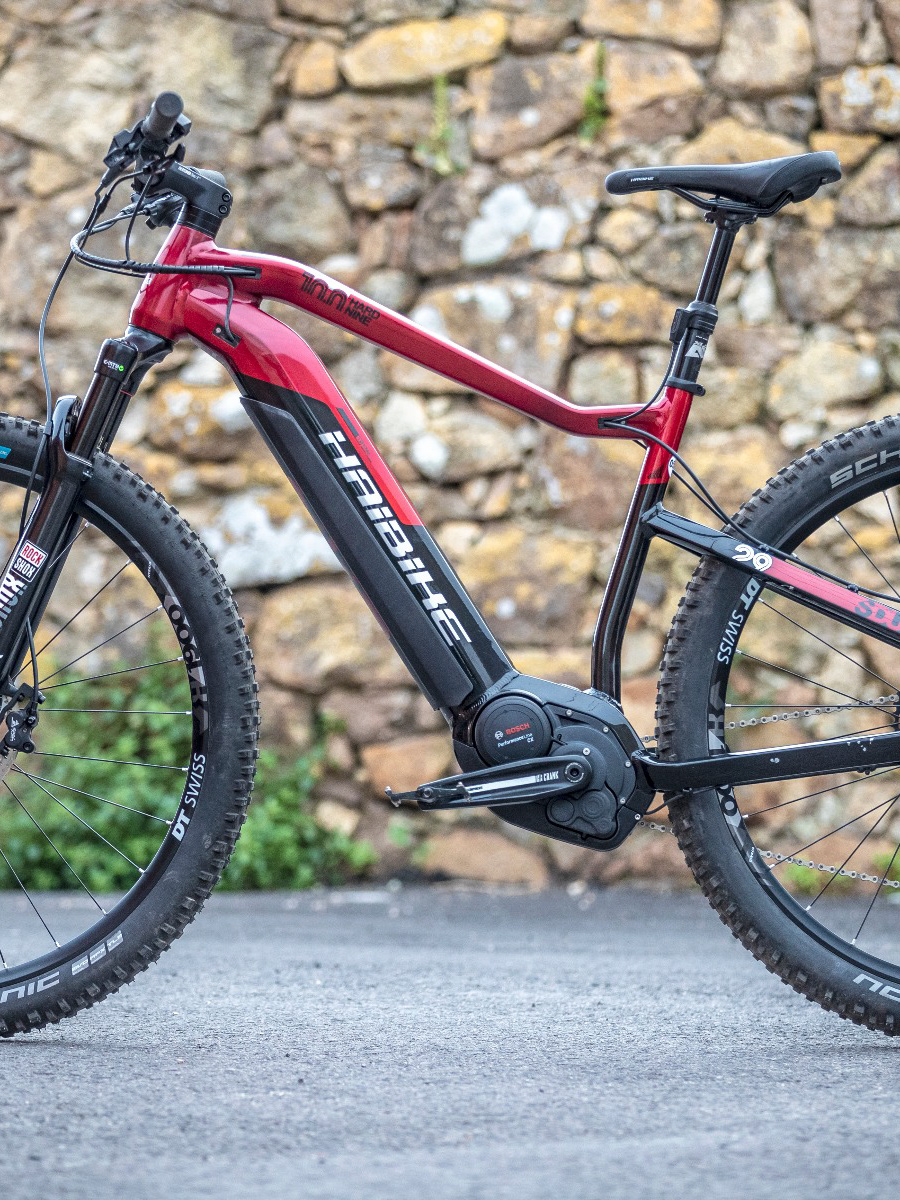
Hardtail – Front suspension only. Lightweight, efficient for climbs and flat roads. Versatile for hills, urban streets, and cobblestones. Popular for daily use.
Full Suspension – Suspension front and rear. Two-part frames connected with pivots. More comfort, control, and safety.
Wheel Sizes:
26” – Classic, lightweight, durable, less grip.
27.5” – Similar to 26” but faster and more controllable. Good for riders under 1.70 m.
29” – Larger wheels roll over obstacles easier, more efficient for taller riders (>1.7 m).
Women’s Bikes – Geometry and components adapted to female anatomy: shorter handlebar, narrower grip, wider saddle.
Kids’ Bikes – Proper size is key, based on age, height, and inseam.
E-Bikes – Electric propulsion redefines cycling. Reduces effort, extends range, ideal for beginners and fun on familiar trails. More motor power = faster start and travel. Cheaper to operate than scooters, motorcycles, or cars.